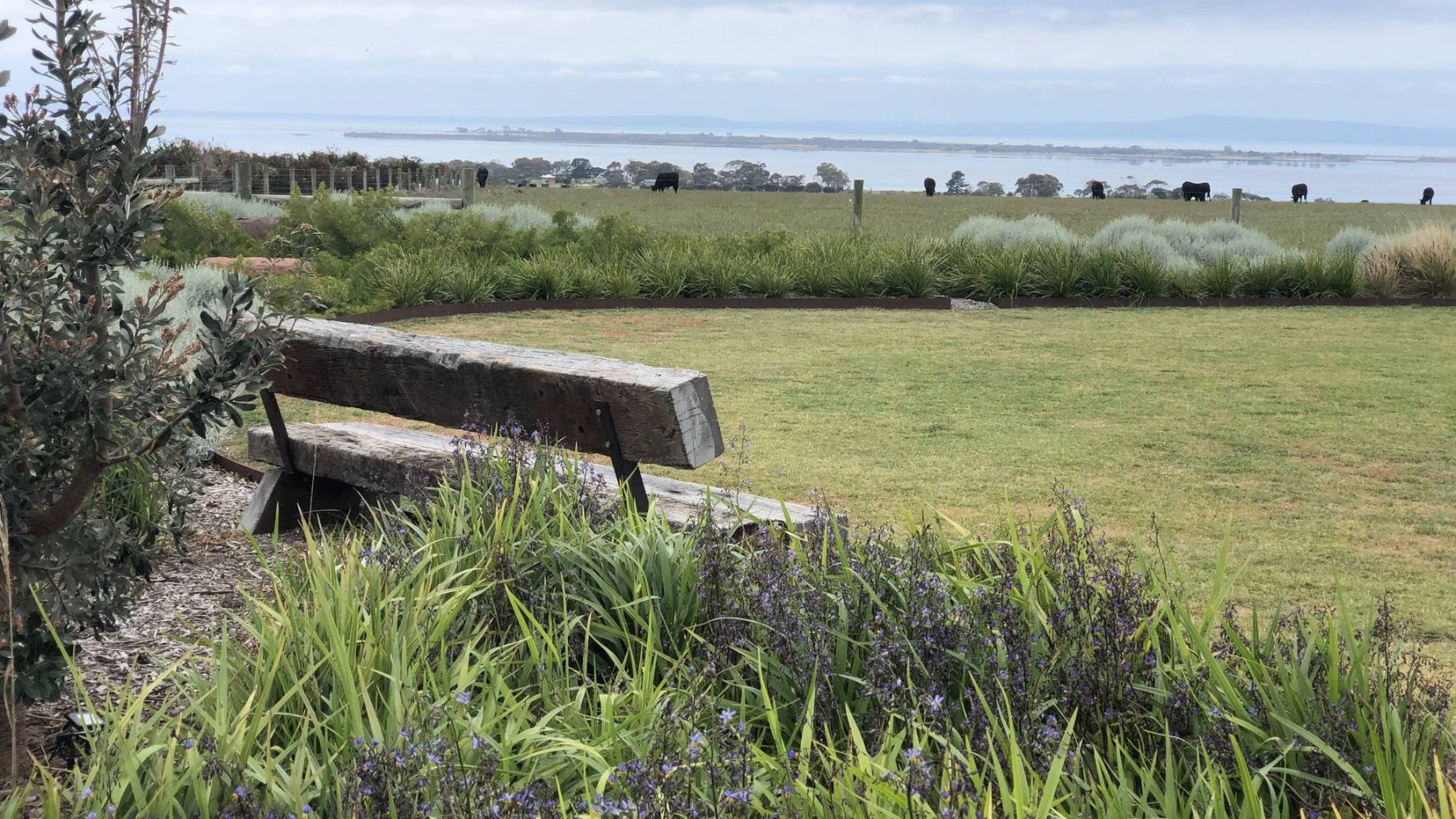
What makes timber outdoor furniture a good choice?
Timber outdoor furniture brings warmth, strength, and natural texture to gardens, patios, verandahs, courtyards, and cabin-style retreats. The right outdoor furniture can feel relaxed and distinctly Australian, especially when they work with native planting, earthy colours, stone, gravel, shade, and open-air living. This guide explores how to choose durable outdoor wood furniture, style it well, and care for it so it stays useful and beautiful over time.
Timber outdoor furniture is a good choice because it combines practical durability with a natural look that softens hard outdoor surfaces. Unlike metal or plastic, timber develops character as it ages, making it ideal for rustic garden furniture, relaxed patios, and Australian-inspired outdoor rooms that feel connected to the landscape. When you choose the right wood, construction, and finish, timber can handle everyday use while adding warmth that never feels overly manufactured.
In Australian outdoor design, timber works especially well because it suits both coastal and inland settings. It can sit comfortably beside native grasses, sandstone, clay pots, weathered steel, corrugated textures, or simple concrete paving. Whether the goal is a bushland garden, a beachside deck, or a shaded suburban courtyard, timber helps the space feel grounded and inviting.
Choosing timber materials for Australian outdoor conditions
Not every wood performs the same outdoors. Sun, rain, humidity, salt air, insects, and ground moisture all influence how long timber patio furniture will last. A beautiful outdoor setting still needs the right material behind it, especially if it will remain outside year-round.
Spotted gum, Ironbark, and blackbutt
Ironbark is often valued for outdoor use because it has natural resistance to rot and insects. It is also relatively lightweight compared with many hardwoods, which can make chairs, benches, and smaller tables easier to move. In rustic settings, ironbark sleeper furniture has a strong visual presence and suits cabins, firepit areas, and informal garden corners.
Spotted Gum is known as a premium outdoor timber because it contains natural oils that help it resist moisture. It is often chosen for refined dining settings, poolside lounging, and long-term patio investment areas. Blackbutt is another popular option for outdoor wood furniture, offering rich colour and good strength, though it benefits from regular protection. Red Gum and other dense hardwoods can also perform well when properly finished and maintained.
Matching timber to climate
In humid or rainy regions, choose native Australian timber with strong natural resistance or furniture that has been properly sealed. Designs that allow water to drain quickly are important because trapped moisture is one of the main reasons wood deteriorates. Raised feet, slatted seats, and slight gaps between boards are practical details worth noticing.
In dry, hot, or exposed areas, sun protection becomes just as important as rain protection. Strong sunlight can fade colour, dry out timber, and cause surface checking over time. A covered verandah, pergola, shade sail, or large tree canopy can help wooden garden benches and tables age more gracefully.
Coastal homes need extra care because salt air can be tough on finishes and hardware. Stainless or corrosion-resistant fixings are worth seeking out, and a simple seasonal rinse can remove salt residue. For a natural Australian design approach, coastal timber pieces look especially good with pale cushions, woven textures, native coastal plants, and sandy stone tones.
Furniture styles that suit Australian outdoor living
The best outdoor furniture ideas begin with how the space will actually be used. A formal entertaining deck needs different furniture from a quiet reading nook under a gum tree. Timber is versatile enough to support both, but each layout benefits from the right scale and style.
Dining and entertaining pieces
Wooden outdoor tables are the centrepiece of many outdoor areas. A long rectangular table suits family meals, weekend barbecues, and gatherings where food is shared casually. Round tables are better for smaller patios because they improve conversation and soften tight corners.
For an Australian feel, pair wooden outdoor tables with relaxed seating, linen-look cushions, ceramic serving pieces, and planting that frames the dining zone without enclosing it completely. A table under a verandah or pergola can become an all-season gathering point. If the setting is open and sunny, an umbrella hole or nearby shade structure is more than a comfort feature; it helps protect both people and timber.
Benches, and quiet garden seating
Wooden garden benches are simple, useful, and easy to place. They can mark a viewpoint, create a pause along a path, or turn an unused garden edge into a comfortable retreat. In native gardens, a bench beneath banksia, grevillea, bottlebrush, or eucalyptus-inspired planting can feel calm and intentional.
Swings and rustic log chairs bring a more nostalgic quality. They suit cabins, country gardens, camp-style settings, and properties where the furniture should look sturdy rather than polished. Heavier rustic garden furniture can also feel stable on uneven ground, though it still needs safe placement and solid footing.
Loungers, bistro sets, and flexible outdoor furniture
Not every outdoor setting needs a large table. A small timber bistro set can make a balcony, courtyard, or side garden usable for morning coffee. Timber loungers work well beside pools, on decks, or in sunny lawn areas where relaxation is the priority.
Flexible outdoor furniture solutions are especially helpful in smaller homes. A bench can double as dining seating, a low timber stool can work as a side table, and a compact folding table can be stored when not in use. This style of timber patio furniture keeps the space adaptable without losing the natural warmth of wood.
How should you compare outdoor timber furniture before buying?
Compare outdoor timber furniture by looking beyond the first impression and checking the timber type, joinery, finish, comfort, weight, and maintenance needs. A low-cost piece may be suitable for occasional use, but furniture exposed to harsh weather or daily family life should have stronger construction and better protection. The best choice is the one that fits your climate, layout, budget, and willingness to maintain timber over time.
Use this checklist before you commit:
- Timber species: Look for woods known for outdoor performance, especially if the piece will not sit under cover.
- Solid construction: Solid timber is usually preferable to flimsy composites for long-term outdoor use.
- Drainage-friendly design: Slats, gaps, and raised legs help water move away instead of pooling.
- Comfort: Timber is supportive but firm, so cushions may be needed for long meals or lounging.
- Hardware quality: Screws, bolts, and hinges should suit outdoor exposure, particularly near the coast.
- Assembly needs: Simple benches and bistro sets are often easier to assemble than large dining settings or sectionals.
- Weight and movement: Heavy pieces feel stable, while lighter pieces are easier to rearrange or store.
- Maintenance expectations: Natural timber beauty comes with some responsibility, especially in exposed locations.
Price can vary widely. Basic benches, picnic tables, and small sets may sit in a lower price range, while premium hardwood dining settings, large sectionals, and finely finished pieces can cost significantly more. Rather than shopping by price alone, consider the cost per year of use. A sturdier table that lasts and stays comfortable may be better value than a cheaper piece that quickly warps, loosens, or becomes unpleasant to sit at.
Outdoor furniture ideas with natural Australian character
A timber setting feels most successful when it belongs to the whole outdoor space, not just the furniture zone. Natural Australian design often relies on relaxed materials, muted colours, practical shade, and a sense of connection to plants and weather. Timber fits this style because it can be rustic, refined, or somewhere between the two.
Try these ideas to create a cohesive outdoor area:
- Build around shade. Place timber seating under a pergola, verandah, mature tree, or shade sail so the area is comfortable in summer.
- Use native planting as a backdrop. Grasses, flowering natives, and textured shrubs make outdoor wood furniture feel settled rather than staged.
- Mix timber with stone or gravel. Sandstone, decomposed granite, river pebbles, and pavers create an earthy base for rustic garden furniture.
- Keep colours grounded. Charcoal, eucalyptus green, ochre, sand, cream, and muted blue pair naturally with timber tones.
- Layer comfort carefully. Use removable cushions, outdoor rugs, and throws, but store soft furnishings when rain or intense sun is expected.
- Create destinations. A bench at the end of a path, a table near the barbecue, or chairs by a firepit gives each piece a clear purpose.
For a cabin or rural property, chunkier log-style furniture can feel authentic and robust. For a city courtyard, slimmer timber profiles may keep the space open and calm. For a coastal patio, pale timber, simple lines, and breezy fabrics can create a relaxed look without making the setting feel themed.
Caring for outdoor wood furniture through the seasons
Good care protects the investment and keeps timber pleasant to use. The routine does not have to be complicated, but it should be consistent. Outdoor timber changes with weather, and small maintenance habits help prevent bigger problems later.
Start with regular cleaning. Brush away leaves, dirt, and pollen so moisture is not trapped against the surface. Wash with mild soapy water when needed, then allow the timber to dry fully. Avoid harsh cleaning products unless the furniture manufacturer recommends them, as they can damage finishes or dry the wood.
Inspect your furniture at the start of each season. Tighten loose bolts, check for wobble, look for splinters, and notice any areas where water sits after rain. If the finish looks dry or patchy, it may be time to re-oil, reseal, or refinish depending on the timber and product used. Pieces that live under cover may need less frequent treatment than furniture in full sun and rain.
During wet or cold months, covers can help, but breathable covers are usually better than plastic that traps condensation. If possible, store cushions indoors and move smaller timber pieces to a sheltered spot. For wooden garden benches and tables that remain outside, raising them slightly off constantly damp ground can reduce moisture exposure.
Timber furniture that feels better with time
Timber outdoor furniture is not just a practical choice; it shapes how an outdoor area feels. It invites people to sit longer, gather more naturally, and enjoy the textures of the garden rather than treating the outside space as an afterthought. With the right timber, thoughtful placement, and steady care, outdoor wood furniture can become part of the landscape.
For Australian-inspired spaces, the strongest results come from working with nature rather than against it. Choose timber materials that suit the climate, pair them with native planting and honest outdoor textures, and select pieces that support the way you really live. The result is furniture that feels durable, welcoming, and naturally connected to the outdoors.